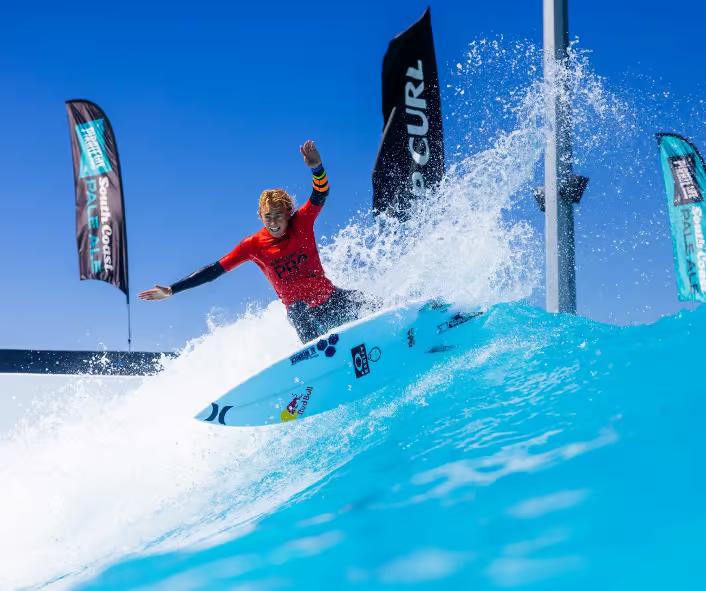


Surfing is more than just a sport; it’s a way of life for many. As seasoned surfers know, mastering the ocean involves not only skill but also understanding the waves, currents, and conditions that can change dramatically within moments. If you’re looking to elevate your surfing game and truly connect with the ocean, consider these advanced techniques that can enhance your experience and performance.
1. Wave Selection and Positioning
One of the most crucial aspects of advanced surfing is knowing how to select the right wave. Develop your ability to read the ocean, paying attention to the swell direction, wind conditions, and the reef or sandbank formations. Understanding where to position yourself in the lineup will enable you to catch the best waves consistently.
Tip: Use a combination of instincts and practice; start observing how better surfers around you approach wave selection. This will give you invaluable insights into timing and position.


2. Paddling Techniques
Paddling might seem simple, but advanced surfers know that technique can make a significant difference. Focus on your stroke mechanics—using your core and keeping your arms relaxed can help improve your paddling efficiency.
Tip: Practice "paddle popping," which involves generating speed and momentum before catching a wave. This technique helps you gain the necessary velocity to position yourself for the wave peak.
3. Drop-Knee Turns and Carving
Once you’ve caught a wave, mastering your turns is essential. Advanced surfers often utilize drop-knee turns and carving techniques to navigate waves more effectively. Drop-knee turns can help you maintain speed while transitioning from one section of the wave to another.
Tip: To get better at carving, focus on shifting your weight appropriately. Initiate the turn by leaning in the direction you wish to go and using your shoulders to guide the board.
4. Reading Rip Currents and Tides
Understanding the ocean’s dynamics goes beyond just wave selection. Advanced surfers should familiarize themselves with how rip currents work and how tidal changes affect wave formation. This knowledge will not only improve your surf sessions but also enhance your safety in the water.
Tip: Look for differences in water color, surface texture, or movement. These can be indicators of a rip current.
5. Surfing with Technology
Embrace technology to improve your surfing skills. Many surfers benefit from using video analysis and performance tracking apps. By analyzing your sessions, you can identify areas for improvement, whether it’s your stance, paddling efficiency, or wave selection.
For a great resource on surf technology, check out wavegarden.com. They offer state-of-the-art surf parks that simulate various wave conditions, allowing surfers to hone their skills in a controlled environment.
6. Mental Preparation and Visualization
Mental preparation is often overlooked, yet it’s vital for advanced surfers. Use visualization techniques to mentally rehearse your maneuvers before hitting the water. This practice can significantly enhance your focus and performance.
Tip: Spend a few minutes before your session visualizing yourself successfully executing turns, maneuvers, and even getting in and out of the water.
7. Environmental Awareness and Respect
Finally, as you begin to master your surfing skills, remember the importance of respecting the ocean and its ecosystems. Understanding local regulations, minimizing your impact, and sharing waves courteously will not only enhance your experience but also elevate the surfing culture as a whole.
Conclusion
Mastering the ocean is a lifelong journey that involves continuous learning and adaptation. By incorporating these advanced techniques into your routine, you can take your surfing to new heights. Whether you’re riding a powerful wave or enjoying downtime at a surf park, remember that the ocean rewards those who respect and understand its intricate dynamics.
For more information on how to advance your surfing technique and experience unique wave conditions, visit wavegarden.com. Happy surfing!