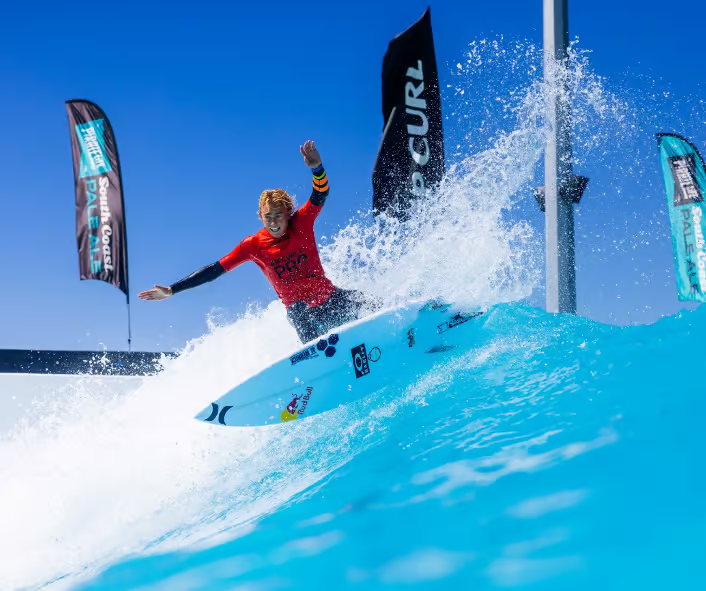


Surfing is not just a sport; it’s a thrilling art form that combines skill, balance, and a deep connection with the ocean. To truly master the waves, surfers need to perfect various techniques and maneuvers. Whether you’re a beginner looking to catch your first wave or an experienced surfer aiming to refine your skills, understanding key techniques is essential. In this article, we’ll explore fundamental surfing maneuvers and provide tips on how to enhance your performance.
1. Paddling Technique
Paddling is the foundation of surfing. Having efficient paddling techniques can significantly impact your ability to catch waves and maintain stamina.
-
Body Position: Lay on your board with your chest centered. Your body should be flat, and your feet should hang slightly off the back. This position allows you to paddle effectively without dragging.
-
Arm Stroke: Use deep, alternating arm strokes. Enter the water with your fingertips first, and push back down until your hand exits the water near your hip. Keep your arms relaxed to reduce fatigue.
- Kicking: Incorporate a gentle kick with your legs to help with propulsion and balance.
2. Pop-Up


The pop-up is a critical maneuver that transforms you from lying on your board to standing upright and riding the wave.
-
Timing: As the wave approaches, start paddling. You need to catch the wave at the right moment. Look for a rapid increase in speed to signal that it’s time to pop up.
-
Movement: In one fluid motion, push your chest up with your arms while simultaneously bringing your feet underneath you. Your back foot should land near the tail of the board for stability, while your front foot should be placed in the middle.
- Balance: Bend your knees slightly and keep your arms out for balance as you stand. This stance is crucial for managing the board’s movement.
3. Carving Turns
Carving turns allow you to maneuver your board on the wave and change direction effectively.
-
Weight Distribution: To initiate a turn, shift your weight onto your back foot. Lean in the direction you want to go while looking toward your target.
-
Edge Control: Use the rails of your board to carve through the water. Angling the board by applying pressure on the bottom turns will help you generate speed and maintain control.
- Commitment: Always commit to your turns—hesitation can lead to falling off your board. Ensure you maintain momentum as you transition between turns.
4. Bottom and Top Turns
These two pivotal maneuvers are crucial for maintaining speed and control while riding.
-
Bottom Turn: As you reach the bottom of the wave, shift your weight onto your back foot and lean into the turn. This increases your speed as you prepare to head back up toward the crest.
- Top Turn: At the top of the wave, use your rail to carve downwards. Focus on your body position—lean forward slightly while keeping your knees bent for added control.
5. Aerial Maneuvers
Once you’ve mastered the basics, you can start to explore aerial techniques that showcase your skills and style.
-
Launch Off the Lip: As you approach the top of a wave, shift your weight to your back foot and use your front arm to initiate the pop. This will propel you off the top of the wave.
-
Spot Your Landing: Always be aware of where you’re landing. Keep your knees bent upon landing to absorb the impact and maintain balance.
- Practice: Aerial maneuvers take time to perfect, so don’t get discouraged. Find a safe environment, such as a controlled surf park, to practice without fearing the unpredictability of the ocean.
6. Advanced Techniques: Using Technology
As surfing evolves, technology plays an increasingly crucial role in enhancing performance. For example, surf parks like Wavegarden provide controlled conditions that allow surfers to practice their techniques without the interference of unpredictable waves.
-
Consistent Conditions: Wavegarden offers consistent, perfectly shaped waves, making it easier to focus on improving specific maneuvers without distractions.
- Coaching Opportunities: Many surf parks provide coaching services where experienced instructors can give personalized feedback on your technique, helping you to improve more rapidly.
Conclusion
Perfecting your surfing techniques takes time, practice, and patience. As you work on your paddling, pop-up, turns, and even aerial maneuvers, remember that each surf session is an opportunity to learn and grow. By utilizing resources like Wavegarden, you can create a controlled environment for improvement, making your journey to becoming a proficient surfer even more enjoyable. So grab your board, hit the waves, and embrace the exhilarating world of surfing!
Links
Check out Wavegarden for more information on surf parks and training opportunities.