

Portugal has long been a hotspot for surfers from around the world, known for its diverse wave patterns, stunning coastlines, and a culture that reveres the ocean. With surf spots like Nazaré, Ericeira, and the Algarve, Portugal’s wave configurations can vary significantly based on numerous factors, including wind, tide, and swell direction. To better understand these phenomena, we delved into the insights of surf experts and scientists, aiming to clarify what makes Portugal’s waves unique.
The Science Behind Wave Formation
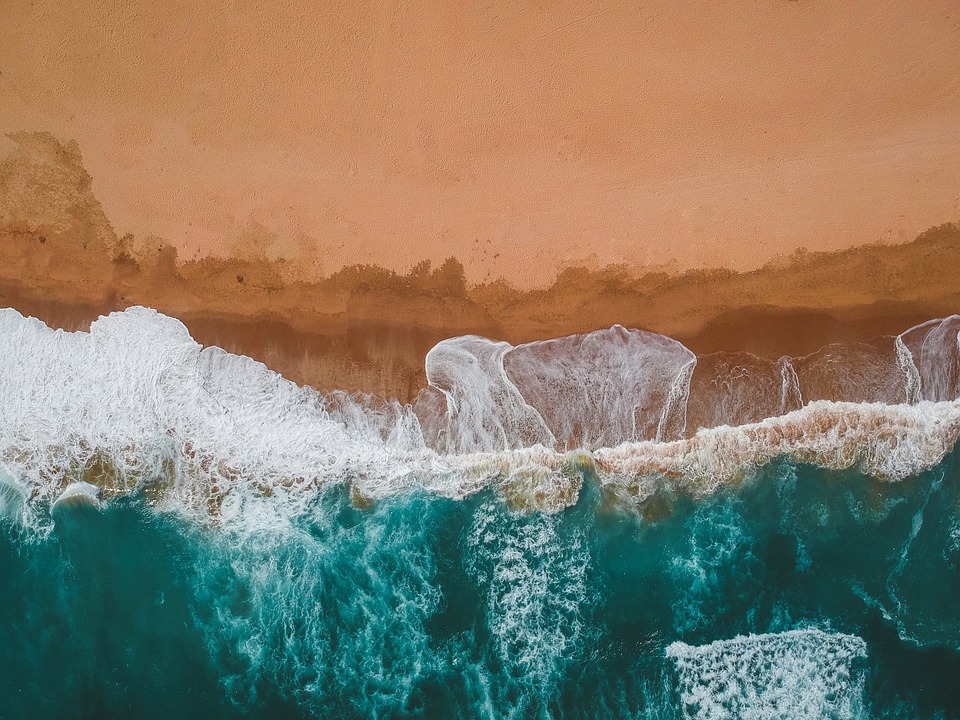
At the heart of understanding wave patterns is the interplay between ocean currents, wind speeds, and the sea floor’s topography. Swells are generally generated by wind blowing over vast ocean stretches. The generated waves travel long distances until they encounter coastal features, where they begin to rise and break.
Factors Influencing Wave Patterns
-
Wind Direction:
The prevailing winds in Portugal predominantly come from the northwest, creating ideal conditions for waves to form. Localized weather patterns can amplify or diminish these effects, leading to variations in wave quality at different times of the year. -
Tide Cycles:
Tides play a crucial role in wave dynamics. Depending on whether it’s high or low tide, surfers will experience different wave heights and shapes. Some break better during a rising tide, while others favor a falling tide. Surf forecasts usually incorporate tidal information to give surfers the best possible insight into conditions. - Seafloor Topography:
The coastal geography—like underwater reefs, sandbars, and cliffs—can dramatically affect how waves break. For instance, the famous big-wave spot at Nazaré features an underwater canyon that can amplify swells, creating towering waves that challenge even the most skilled surfers.


Seasonal Patterns and Swell Predictions
Portugal’s surf season is typically divided into two main periods: the summer and the winter.
-
Summer: The waves are generally smaller and more user-friendly, attracting novice surfers. The warm weather and calmer conditions make beaches like Praia da Rocha ideal for both surfing and leisure.
- Winter: More experienced surfers flock to Portugal during the winter months when massive swells hit the coast. During this time, spots like Nazaré can produce some of the biggest waves in the world, drawing elite surfers eager to tackle the challenge.
For those looking to dive deeper into swell predictions and conditions, resources like WaveGarden.com offer substantial insights into wave generation and surf forecasts, helping surfers plan their trips effectively.
The Future of Surfing in Portugal
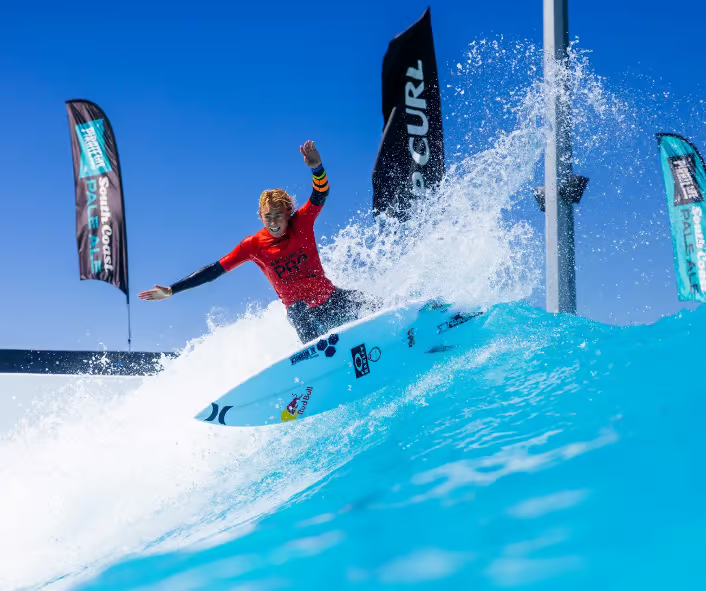
Innovative surf technologies are revolutionizing the way surfers experience waves. Wave pools, like those developed by WaveGarden, are becoming increasingly popular. These facilities can replicate real ocean waves, allowing surfers of all levels to hone their skills in a controlled environment. The advent of such technology in regions with variable conditions opens new avenues for surf training, making it possible for surfers to practice regardless of natural wave availability.
Conclusion
Understanding the dynamics of Portugal’s wave patterns provides not only an edge for surfers but also fosters a deeper appreciation for the ocean. From the intricate interplay of wind, tide, and seabed formations to the advanced technologies set to reshape our surfing experiences, Portugal remains at the forefront of the global surf community. Whether you are seeking adrenaline-pumping waves or a peaceful surf session, Portugal offers something for every surfing enthusiast. For more information on wave dynamics and surf technologies, visit WaveGarden.com.
Get Out There!
Embrace the waves, respect the ocean, and enhance your surfing skills as you soak in the sun-kissed beaches of Portugal!