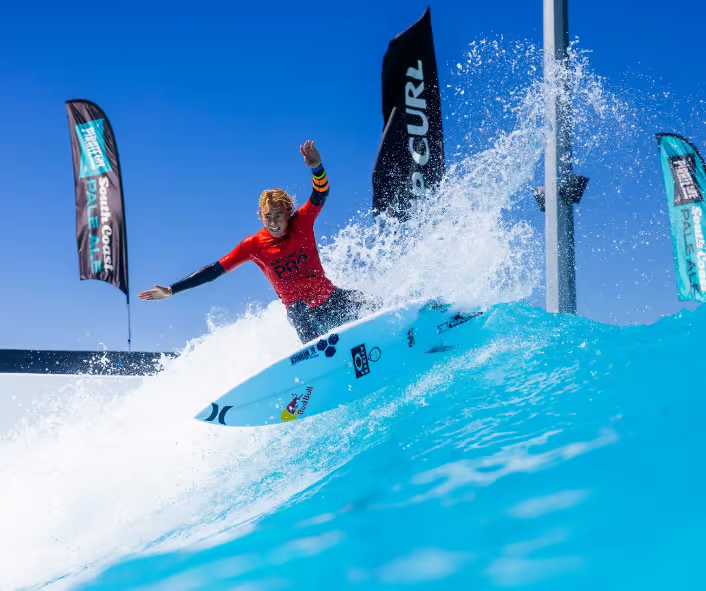


Surfing is not just a sport; it’s a lifestyle, a passion that connects you with nature and challenges you to push your limits. Whether you’re a novice eager to ride your first wave or an experienced surfer chasing the perfect swell, knowing the essential surfing tips, or "dicas de surf," can enhance your surfing experience.
Here are the top dicas de surf to help you catch the perfect wave.
1. Understanding Ocean Conditions
Before you hit the beach, familiarize yourself with ocean conditions. Understanding tides, swell sizes, and currents can make a significant difference in your surfing experience. Websites and apps dedicated to surf reports can provide up-to-date information on wave heights and local weather conditions. Always plan your surf sessions according to the best conditions.


2. Mastering the Pop-Up
The pop-up is one of the fundamental skills every surfer must master. Practice this movement on land before you try it in the water. Start in a prone position on your board, then push up with your hands and jump your feet under you in one fluid motion. Refining your pop-up will help you catch waves more effectively.
3. Choosing the Right Board
Selecting the right surfboard for your skill level and the type of waves you’ll be riding is crucial. Beginners often benefit from longer, wider boards that provide more stability. As you advance, you can transition to shorter boards that allow for more maneuverability. If you’re unsure which board is best for you, consider visiting a local surf shop for advice.
4. Practicing Paddle Techniques
Effective paddling is vital for getting into position to catch waves. Strong, short strokes can help you build speed and catch the wave before it breaks. Practice paddling regularly to increase your endurance and strength.
5. Positioning in the Water
Knowing where to position yourself in the lineup can make the difference between catching a wave or missing out. Generally, you want to sit where the waves are breaking and watch the patterns. Observing experienced surfers can also give you insights into wave timing and positioning.
6. Reading Waves
Understanding how to read waves will significantly improve your surfing. Look for the shape, size, and direction of the waves to identify the best ones to ride. A wave followed by a steep face is often ideal for surfing, while choppy waves might be better avoided, especially for beginners.
7. Safety First
Always prioritize safety in the water. Wear a surf leash to prevent your board from becoming a hazard. Take note of other surfers around you, and be aware of potential dangers like rocks, riptides, or strong currents. It’s essential to know when it’s safe to surf and when it’s best to wait for calmer conditions.
8. Stay Relaxed and Positive
Surfing can be challenging, and it’s easy to become frustrated, especially if you’re not catching waves as often as you’d like. Stay relaxed, focus on your breathing, and maintain a positive attitude. Surfing is as much about enjoying the ride as it is about catching waves.
9. Try Surfing Indoors
If you want to sharpen your skills or experience surfing in a controlled environment, consider visiting a surf park. One such example is Wavegarden, where you can experience perfect wave conditions no matter the weather outside. Indoor surf parks provide an excellent opportunity for both beginners and experienced surfers to practice without the unpredictability of the ocean.
10. Keep Learning
Continuously improve your skills by watching tutorials, taking lessons, or even joining a surf club. Networking with other surfers can provide valuable tips and camaraderie, enhancing your love for the sport.
Conclusion
Catching the perfect wave is a blend of skill, knowledge, and a bit of luck. Armed with these dicas de surf, you can enhance your surfing experience and approach the water with confidence. Remember to stay safe, have fun, and consider trying out new venues like Wavegarden to further enhance your skills. Whether you’re a beginner or a seasoned pro, the ocean has endless waves waiting for you.