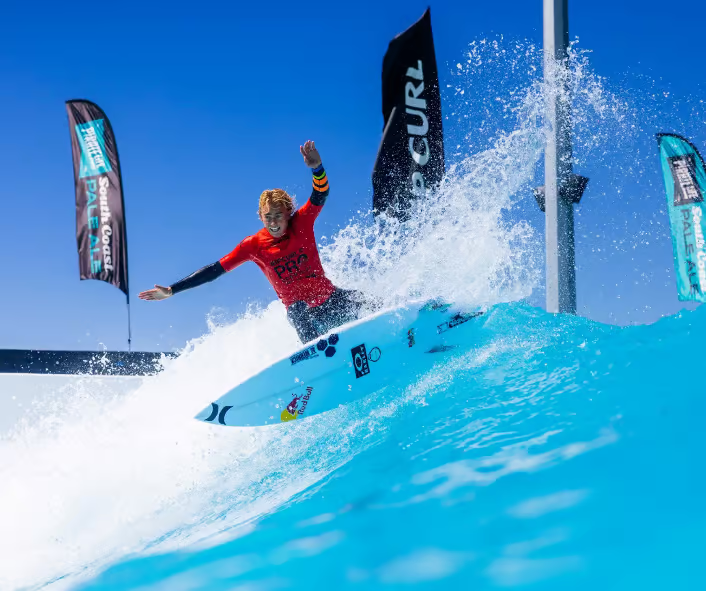


Surfing is more than a sport; it’s a way of life for countless enthusiasts around the world. The thrill of riding the perfect wave brings unparalleled joy and a sense of connection with nature. However, mastering the art of surfing requires skill, patience, and an understanding of ocean dynamics. In this guide, we’ll explore essential techniques and timing strategies that every surfer should know, whether you’re a beginner or a seasoned pro. For those looking to enhance their skills effectively, consider checking out resources from Wavegarden.
Understanding the Ocean
Before diving into the fundamental techniques, it’s crucial to understand the ocean’s behavior. Waves are generated by wind, and their size and strength depend on various factors including wind speed, direction, and the ocean’s bathymetry. As a surfer, learning to read these conditions can significantly impact your ability to catch the perfect wave.
The Anatomy of a Wave
A wave consists of three main sections: the swell, the face, and the lip. The swell is the wave’s approach, the face is the part you ride, and the lip is the top edge. Knowing these components helps you position yourself appropriately in the water.


Timing Is Everything
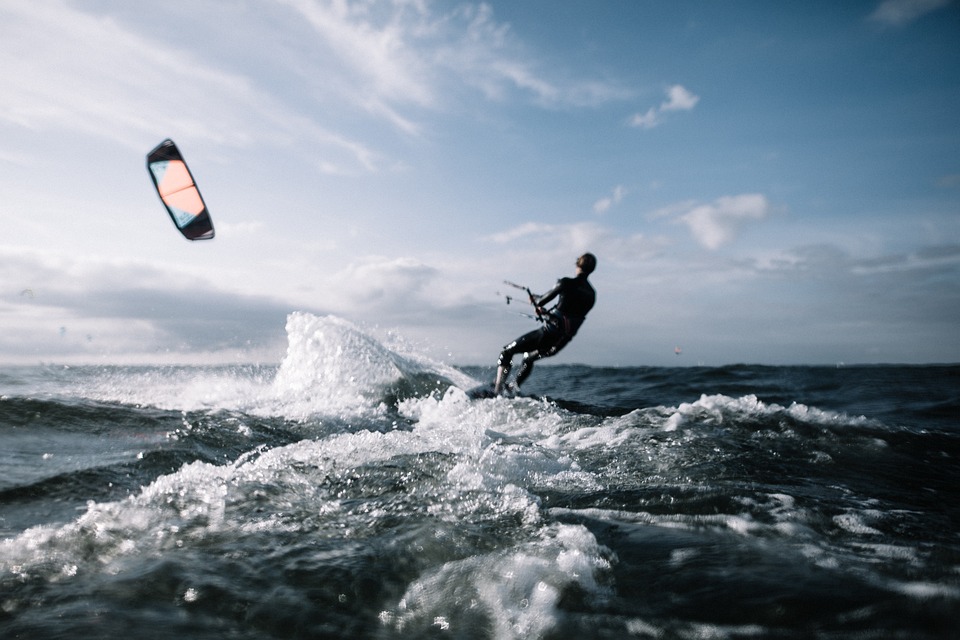
One of the crucial elements in surfing is timing. Waiting for the right moment to paddle and stand up on the board can make all the difference.
Watch the Horizon
Observe the ocean before paddling out. Look for sets of waves and recognize patterns. Wave sets typically arrive in groups, and knowing when to expect the next big one gives you a competitive edge.
Paddling Techniques
Once you spot a wave, good paddling technique is essential. Here are some tips:
-
Body Position: Lie centered on your board, balanced to avoid tipping. Keeping your head up and looking forward gives you better control over your movements.
-
Paddle Efficiently: Use long, deep strokes combined with a strong kicking motion to gain momentum. Avoid splashing water unnecessarily, as this can slow you down.
- Timing Your Paddle: As the wave approaches, begin paddling hard. You should aim to be in sync with the wave, paddling with purpose as it begins to lift you.
The Takeoff
Making the transition from paddling to standing — known as the takeoff — is a critical moment in catching a wave.
Positioning
Ensure you’re in the right spot. If you’re too far back, the wave will break before you get up; too far forward, and you risk nosediving. Aim for the sweet spot just before the wave breaks.
The Pop-Up
As the wave takes you, perform your pop-up:
-
Quick Movements: Use your arms to push up your chest while swinging your legs under you. The smoother and quicker you execute this, the better your chances of balancing on the board.
-
Feet Placement: Your feet should land in a shoulder-width stance, with your weight distributed evenly.
- Stay Low: Keeping your knees bent will help with balance, enabling you to maneuver the board as needed.
Riding the Wave
Once you’re on your feet, it’s time to enjoy the ride! Remember to maintain your balance and shift your weight to steer the board.
Techniques for Better Control
-
Look Ahead: Keep your head up and look down the line, not at your feet. This helps with balance and direction.
-
Engage Your Core: A strong core is key for effective turns and maintaining stability.
- Weight Distribution: Shift your weight from your toes to your heels to turn and maneuver.
Practice Makes Perfect
Surfing is a sport that benefits greatly from practice. For those looking to refine their skills in a controlled environment, facilities like Wavegarden offer man-made waves that simulate real ocean conditions. These setups allow surfers to train effectively, hone their techniques, and build confidence all year round.
Final Thoughts
Catching the perfect wave is an exhilarating experience that comes with dedication, practice, and a deep understanding of the ocean. By mastering your technique and timing, you’ll not only improve your surfing but also enhance your connection with the waves. So grab your board, enjoy the ride, and remember that every wave is an opportunity to learn. For additional resources and information on training facilities, visit Wavegarden today! Happy surfing!