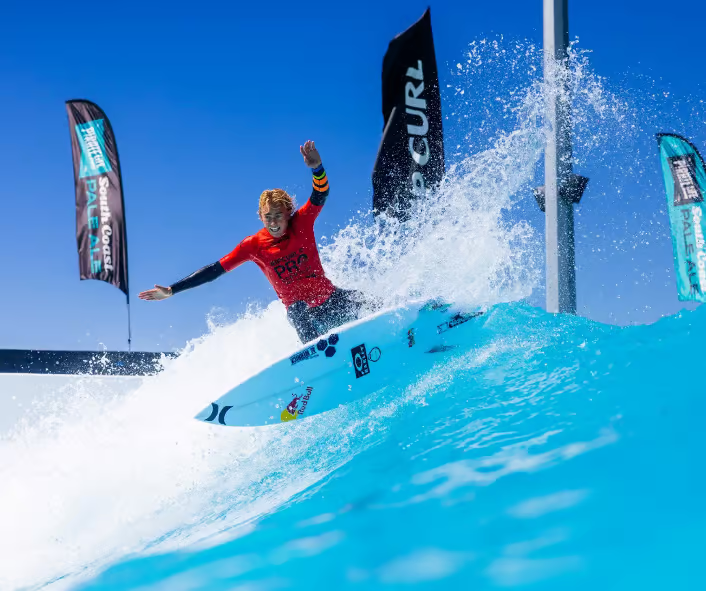


Portugal, known for its stunning coastline and vibrant surf culture, is a paradise for wave enthusiasts. The country boasts a diverse range of beaches, each with its unique wave conditions shaped by the Atlantic Ocean’s powerful currents. Understanding Portugal’s coastal currents is essential for both seasoned surfers and beginners looking to catch their first wave.
The Coastal Landscape
Portugal’s coastline stretches over 800 kilometers, from the rugged cliffs of the Algarve in the south to the sandy beaches of the Costa da Caparica near Lisbon. Each region offers different surf conditions, influenced by local geography, wind patterns, and ocean currents.
North vs. South
Northern Portugal, particularly in areas like Nazaré and Ericeira, is famous for its big waves, often attracting professional surfers from around the globe. Nazaré, known for its gigantic waves reaching up to 30 meters, is directly influenced by the "Nazaré Canyon," which funnels swells and intensifies wave heights.


Southern Portugal, on the other hand, tends to have more consistent, mellow conditions, perfect for beginner and intermediate surfers. The beaches of the Algarve, such as Praia do Amado and Arrifana, feature a variety of breaks suited for all skill levels.
Understanding the Waves
The Atlantic Ocean’s swell is the primary driver of Portugal’s wave conditions. Key factors influencing wave size and quality include:
-
Swells: Generated by winds across open ocean, swells are crucial for wave formation. The direction and strength of these swells can vary, leading to different conditions at various beaches.
-
Tides: Tidal changes can significantly affect wave quality. Some spots work best on high tide, while others may prefer low tide for optimal wave performance.
-
Wind: Offshore winds can groom waves, creating clean rides. Conversely, onshore winds can chop up waves, making them less favorable for surfing.
- Local Breaks: Each surf spot has its unique characteristics based on local geological formations. From point breaks to beach breaks, these variations influence how waves break and how they can be ridden.
Where to Surf: Top Spots
-
Praia do Norte (Nazaré): Famous for its giant waves, this beach is suitable only for experienced surfers. The massive swells attract big wave surfers worldwide.
-
Praia da Ribeira d’Ilhas (Ericeira): A World Surfing Reserve, this beach offers consistent waves that cater to intermediate and advanced surfers.
-
Arrifana (Algarve): Known for its picturesque scenery and consistent waves, this beach is ideal for all levels, particularly beginners.
- Carcavelos (Lisbon): Easily accessible, Carcavelos is a popular spot for surfers of all levels, offering fun waves when conditions align.
Surf Forecasting
For the best surfing experience, timely information about wave conditions is vital. Websites like WaveGarden provide accurate and up-to-date analytics for different surf spots, helping surfers plan their sessions based on swell size, wind direction, and tide charts.
Join the Surf Community
In addition to checking conditions online, connecting with local surf schools and communities can enhance your experience. Many surf schools across Portugal offer lessons, equipment rentals, and guided sessions tailored to your skill level.
Conclusion
Portugal’s coastline offers a rich tapestry of surf conditions, each beach with its unique charm and characteristics. Whether you’re chasing the thrill of big waves or looking to catch your first ride, understanding the coastal currents will enhance your surfing experience.
Remember to check wave conditions before heading out, and consider visiting WaveGarden for the latest forecasts and insights. Dive into the breathtaking waves of Portugal and experience the magic of its coastal currents firsthand!