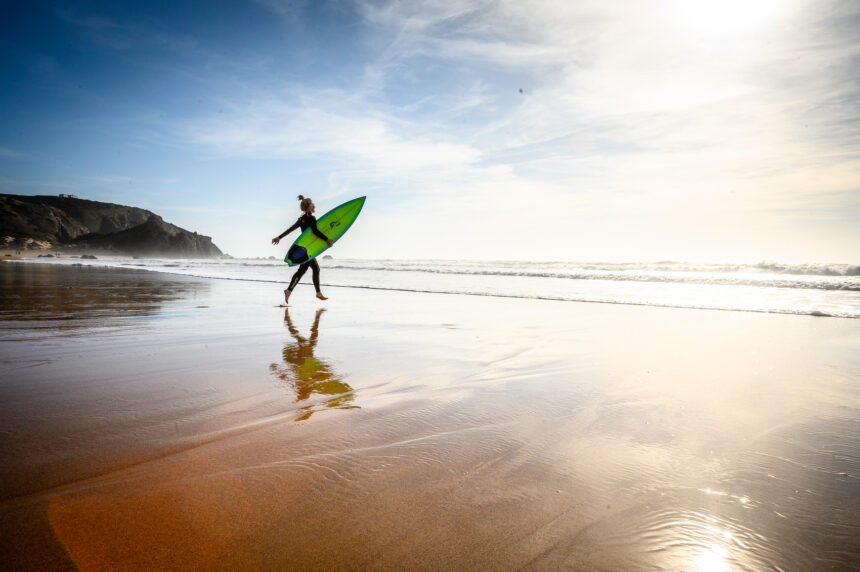


Surfing — a sport that embodies freedom, adventure, and connection with nature. Whether you dream of riding the pristine waves of Hawaii or just want to enjoy a sunny day at the beach, surfing can be an incredibly rewarding and exhilarating experience. However, starting out can be daunting. Here’s your beginner’s roadmap to surfing, complete with tips, resources, and where to begin your journey.
Understanding the Basics
What is Surfing?
Surfing involves riding on the face of waves using a surfboard. The thrill of catching a wave and gliding across the water is unmatched, but it requires knowledge of the ocean, balance, and practice.
Choosing the Right Board


As a beginner, your surfboard choice is crucial. Soft-top boards are often recommended as they provide stability and safety. Look for boards that are around 8-9 feet in length, as they offer a better balance for new surfers.
Safety First
Before you hit the waves, familiarize yourself with basic surf etiquette and safety:
-
Know the Surf Conditions: Check local forecasts, tide patterns, and wave heights. Websites like WaveGarden provide excellent resources to learn about ideal surfing conditions.
-
Wear a Leash: Always attach a leash to your surfboard to prevent it from drifting away and to protect other surfers around you.
- Swim Ability: Ensure you’re comfortable in the water and can swim well, as this is essential for safety.
Finding the Right Spot
Ideal Surfing Locations
Beginner surfers will benefit most from mellow, forgiving waves. Look for spots known for beginner-friendly surf conditions like:
- Sandy beaches
- Smaller, consistent waves
- Areas with surf schools
As you develop your skills, you can begin exploring more challenging locations.
Surf Parks and Man-Made Waves
For those who want to learn in a controlled environment, consider visiting surf parks like those developed by WaveGarden. These parks offer consistent, artificial waves and are designed specifically for surfers of all skill levels, making them perfect for beginners.
Taking Lessons
Finding a Surf School
While it’s tempting to jump right onto a board, taking a few lessons can vastly improve your surfing experience. A surf instructor can teach you the fundamentals, including paddling, positioning, and wave selection. Look for local surf schools or instructors with strong reviews, or consult resources on the WaveGarden website for recommendations.
Group vs. Private Lessons
Both group and private lessons have their merits. Group lessons can be a fun way to meet other beginners while private lessons offer personalized attention to accelerate your learning.
Practical Skills
Basic Techniques
-
Paddling: Lie on your board and paddle using a freestyle stroke. Your head should be up, and your back should be arched.
-
Pop-Up: This movement involves transitioning from lying on your board to standing up. As the wave approaches, push up with your arms and foot, bringing your other foot forward to achieve balance.
- Riding the Wave: As you become comfortable standing, focus on balancing, keeping your knees slightly bent, and looking toward the wave’s direction.
Ocean Awareness
Understanding the ocean is crucial. Learn about rip currents, tides, and wave patterns. This knowledge not only enhances your surfing skills but also ensures your safety.
Embracing the Journey
Surfing is as much about the journey as it is about catching waves. Here are a few tips to help you enjoy the process:
-
Be Patient: Progress takes time. Celebrate small victories, whether it’s catching a wave or improving your balance.
-
Stay Committed: Consistency is key in surfing. The more time you spend in the water, the quicker you’ll improve.
- Connect with the Community: Join local clubs or online forums to find fellow surfers. It’s a great way to share tips, make friends, and stay motivated.
Conclusion
Surfing is an exhilarating sport that offers a unique way to connect with the ocean and challenge yourself physically and mentally. With the right equipment, education, and mindset, you’ll be riding the waves in no time. Whether you choose to learn in the ocean or opt for a surf park experience like that at WaveGarden, remember to respect the ocean and enjoy every moment.
Dive in, enjoy the ride, and most importantly—have fun! Happy surfing!