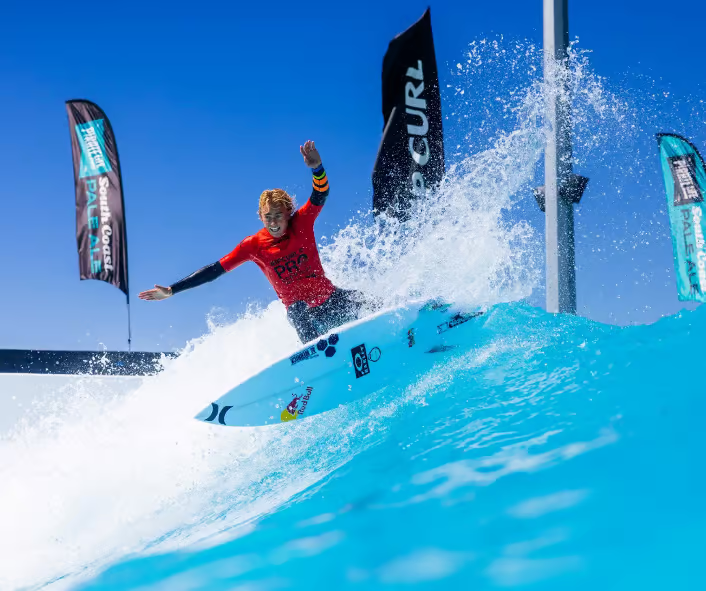


Surfing is more than just a sport; it’s a lifestyle, an art form, and for many, a way to connect with nature. Yet, amid the thrill of catching waves, the world of surf tricks can feel like an intimidating puzzle. At Wavegarden, we believe that understanding the vocabulary of surf tricks can enhance your riding experience. In this article, we’re excited to delve into the language of surfing by demystifying common surf tricks using our handy dictionary.
The Basics of Surf Tricks
Before we get into the nitty-gritty, let’s clarify what we mean by surf tricks. Tricks in surfing refer to various maneuvers that a surfer performs while riding a wave. These can range from basic turns to complex aerials, and mastering them can elevate any surfer’s performance—whether you’re a beginner or an advanced rider at a state-of-the-art facility like Wavegarden.
Essential Surf Trick Vocabulary
-
Bottom Turn
The foundation of many surf tricks, the bottom turn is executed as you reach the bottom of the wave after paddling down. It sets up your next move; a well-executed bottom turn allows you to gain speed and control. -
Cutback
Essential for redirecting your board back towards the wave’s pocket, the cutback showcases a surfer’s ability to maintain speed while changing direction. It’s a crucial skill for anyone looking to ride intricate waves, especially at artificial wave parks like Wavegarden. -
Aerial
This refers to any trick performed while leaving the surface of the water. Aerials are often seen in competitions and require both confidence and skill. Riders aiming for the next level can practice these tricks in waves that allow for height—such as those engineered in Wavegarden facilities. -
Floater
A floater involves riding over the top of a wave’s breaking section. It’s a stylish and impressive maneuver that showcases a surfer’s ability to navigate tricky wave conditions. -
Snap
A quick, sharp turn that allows a surfer to change direction suddenly, the snap is all about speed and precision. It’s commonly performed in the pocket of the wave and is a favorite for those looking to impress both fellow surfers and spectators. - Layback
In this trick, the surfer leans back into the wave while maintaining their momentum. It’s eye-catching and demonstrates control and fluidity on the board.


Tips for Mastering Surf Tricks
Start Small
If you’re new to surfing or tricks, begin with the basics. Focus on your balance and control before attempting more advanced maneuvers. Practice on smaller waves, gradually increasing your skill level.
Use Technology
Artificial wave parks, like those offered by Wavegarden, provide a controlled environment where you can hone your skills without the unpredictability of ocean conditions. The consistent waves allow you to practice trick after trick, enabling quicker learning and improvement.
YouTube and Online Tutorials
While our surf trick dictionary provides excellent terminology, watching others perform tricks can help you visualize the mechanics. Many professional surfers share their insights and tutorials online, which can serve as valuable resources.
Join a Community
Surf schools and clubs often provide mentorship and camaraderie that can enhance your learning. Partnering with experienced surfers allows you to gain insights and tips that are often hard to learn solo.
Conclusion
Understanding the vocabulary surrounding surf tricks is vital for any aspiring surfer. By familiarizing yourself with these terms, you can better communicate with fellow surfers, enhance your skills, and deepen your appreciation for the sport. Organizations like Wavegarden are paving the way for surf enthusiasts to refine their craft in a controlled environment—making it easier than ever to ride the wave of skill advancement.
For more information and resources on how to perfect your surfing skills and try your hand at amazing surf tricks, visit Wavegarden.com. Ride the waves, master the tricks, and become part of the vibrant surfing community!