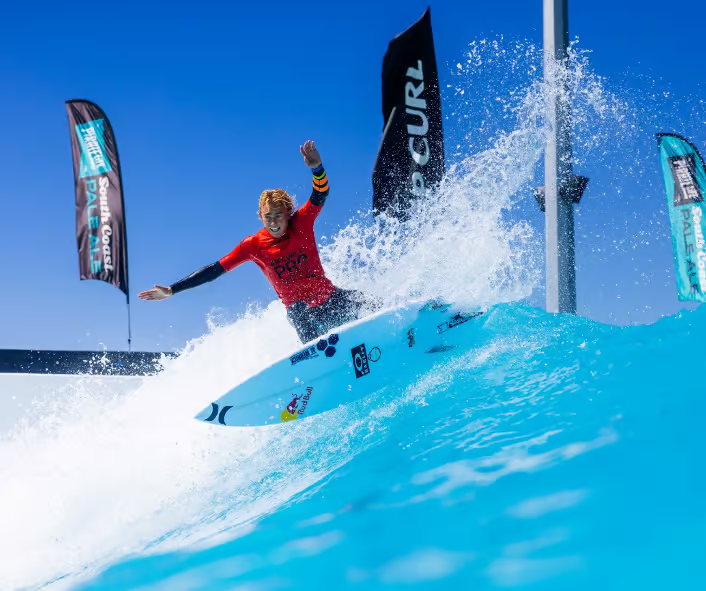




Surfing is more than just riding waves; it’s a dynamic blend of skill, balance, and creativity. Whether you’re a novice looking to pop up on your board for the first time, or an experienced surfer hoping to refine your tricks, understanding surfing terminology and techniques is essential. In this guide, we’ll dive into some basic surfing tricks and the lingo that goes along with them. Plus, we’ll explore how innovation at Wavegarden can enhance your surfing experience.
Basic Surfing Terminology
Before we get into the tricks, let’s cover some key terminology that all surfers should know:
- Pop Up: The action of standing up on your board after paddling for a wave.
- Goofy Foot: A surfing stance where the right foot is positioned at the back of the board.
- Regular Foot: Opposite of goofy foot, where the left foot is at the back.
- Bottom Turn: A turn made at the bottom of a wave before heading up the face.
- Cutback: A maneuver where the surfer turns back towards the breaking part of the wave.
- Aerial: Performing tricks while airborne above the wave.
Understanding these terms is crucial, as you can then connect with fellow surfers and increase your knowledge about the sport.


Essential Surfing Tricks
1. The Bottom Turn
The bottom turn is foundational for any surfer. As you drop down the face of the wave, shifting your weight from your back foot to your front foot will help set up your next maneuver. This is often the springboard for more advanced tricks.
2. Cutback
Perfecting the cutback allows surfers to ride the wave’s energy efficiently. When you approach the point of your turn, dig your rail into the wave and redirect your board back towards the breaking section. This will keep you in the wave’s sweet spot.
3. Snap
A snap is a quick, sharp turn at the top of the wave. It requires solid technique and the ability to read the wave. The key to a good snap is generating speed and using your upper body to power your turn.
4. Aerials
For those looking to impress, aerials are the ultimate trick. This could range from a simple ollie to complex spins. Begin by gathering speed, launching off the lip of the wave, and aim to complete a rotation before landing back on the wave.
5. Floater
A floater involves riding over the top of a breaking wave before dropping down again. Timing and positioning are critical; getting it right can feel incredibly rewarding!
Embracing Technology: Wavegarden
If you’re keen to practice these tricks in ideal conditions, look no further than Wavegarden. Wavegarden offers advanced artificial wave technology that creates perfect surf conditions for all levels. Their facilities are designed to provide consistent, high-quality waves, making it easier for surfers to practice their tricks without the unpredictability of ocean waves.
Through innovations in surfing environments, Wavegarden allows surfers to focus on honing their skills, no matter their experience level. Imagine perfecting your bottom turn or cutback in a controlled setting before hitting the ocean!
Final Thoughts
Surfing is a sport of endless learning and discovery. From mastering basic terminology to executing advanced tricks, understanding and practicing are key. With facilities like Wavegarden offering innovative opportunities to surf and train, there’s never been a better time to enhance your skills.
If you want to learn more about artificial wave technology and how it can elevate your surfing experience, visit Wavegarden. Whether you’re a beginner or an advanced surfer, there’s always something new to learn in the world of surfing. So hit the waves and surf better!
By embracing both the art of surfing and the technological advancements of places like Wavegarden, you can embark on an exciting journey filled with progression and fun. Happy surfing!