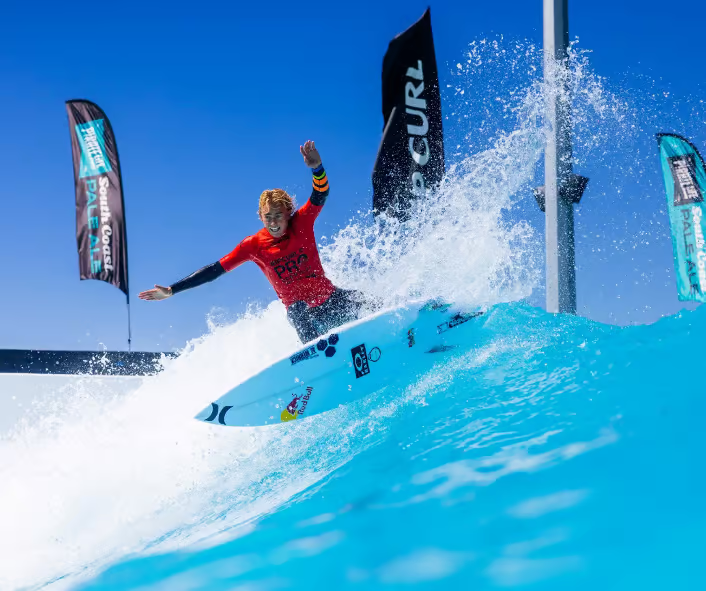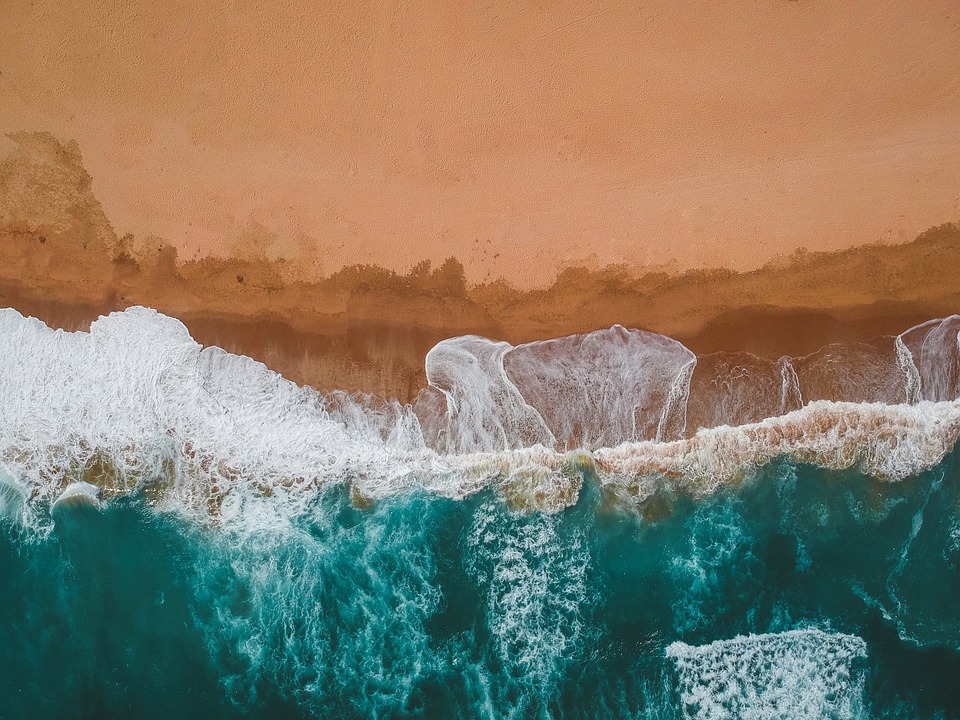


Portugal is renowned for its stunning coastlines, picturesque beaches, and fantastic surf conditions. As more people are drawn to this beautiful country to take up surfing, understanding local wave conditions becomes essential for both safety and enjoyment. Whether you’re a complete novice or a more seasoned rider, knowing how to read the waves and interpret the local surf reports can significantly enhance your surfing experience.
The Allure of Portugal’s Waves
Portugal boasts some of the best surf spots in the world, from the famous waves of Nazaré to the consistent breaks of Ericeira and the diverse conditions of the Algarve. For beginners, places like the Praia do Amado and Praia da Rocha offer manageable swells and inviting environments to learn the art of surfing. However, with great waves come great responsibility. Understanding wave conditions is crucial to navigating the waters safely.
Key Wave Conditions to Understand
1. Wave Size


The size of the waves is perhaps the most critical factor beginners need to consider. Surf spots are often rated based on the height of the waves, typically categorized as:
- Small (1-3 feet): Ideal for beginners. These waves are manageable and provide a gentle learning curve.
- Medium (3-6 feet): Suitable for those who have a bit more experience but still require caution.
- Large (6+ feet): Best left to advanced surfers, as these waves can be powerful and challenging.
2. Wave Type
There are two primary types of waves to be aware of:
- Beach Breaks: Waves that break on the sandy bottom. These are often more forgiving for beginners and tend to be less powerful.
- Reef Breaks: Waves that break over rocky or coral reefs. These can be more dangerous due to the potential for injury from the sea bed, making them unsuitable for novices.
3. Wind Conditions
Wind plays a crucial role in shaping wave conditions. Offshore winds can create clean, well-formed waves, ideal for surfing. In contrast, onshore winds can create choppy, messy waves that can be difficult to ride. Monitoring local wind patterns can significantly influence your surfing experience.
4. Tides
Understanding tides is vital for surfers. Different surf spots can be affected by tide changes, altering wave size and strength. Generally, mid-tide often offers the best surfing conditions for beginners, as it can soften large waves, making them more manageable.
Tips for Beginners
-
Take Lessons: Enrolling in a surfing school or hiring a qualified instructor is one of the best ways to learn. They can provide insights into wave conditions and teach you the basics of surf etiquette.
-
Observe Before You Enter: Spend time watching the waves before hitting the water. Notice where the waves break and identify any potential hazards.
-
Know Your Limits: Start with smaller, manageable waves and gradually progress as you gain confidence and skill.
-
Stay Informed: Regularly check surf reports for your chosen spot. Websites like Wave Garden offer valuable insights and resources for understanding wave conditions, making it easier for beginners to stay safe.
- Surf with a Buddy: Always surf with at least one other person for safety reasons. In case of an emergency, having someone else nearby can make a significant difference.
Conclusion
Surfing in Portugal is an exhilarating experience filled with adventure and excitement. By understanding wave conditions and prioritizing safety, beginners can ensure a positive entry into this captivating sport. With proper preparation, respect for the ocean, and the right resources—like those found at Wave Garden—new surfers can not only ride the waves safely but also cultivate a lifelong passion for surfing. So grab your board, respect the waves, and enjoy all that Portugal has to offer!